The Ultimate Guide to Organizing Your LEGO® Collection

LEGO® is more than just a toy; it is a world of creativity, imagination, and endless building possibilities. For avid collectors, hobbyists, and builders, the sheer volume of bricks, sets, and minifigures can quickly become overwhelming. A disorganized LEGO® collection can lead to lost pieces, frustration, and even missed opportunities to create the builds you envision. Whether you are just starting your collection or have amassed hundreds of sets over the years, organizing your LEGO® collection is essential for efficiency, creativity, and enjoyment. In this ultimate guide, we’ll explore practical strategies, storage solutions, and tips to help you keep your LEGO® collection neat, accessible, and ready for your next masterpiece.
Why Organizing Your LEGO® Collection Matters
A well-organized LEGO® collection is more than a neat display—it enhances your building experience. When your pieces are organized:
- You can quickly locate the parts you need for any build
- You reduce the risk of losing valuable or rare minifigures and bricks
- You save time sorting pieces during complex builds
- Your collection becomes easier to display, maintain, and expand
Organization also protects your investment. Rare or collectible LEGO® pieces, such as limited-edition minifigures or discontinued sets, maintain their value when properly stored and cared for. For builders who enjoy large or custom projects, organization can mean the difference between a fun, stress-free build and hours of frustration searching for missing pieces.
Step 1: Assess Your Collection
Before you can organize, you need to understand the scope of your collection. Take inventory of your LEGO® sets, loose bricks, minifigures, and custom printed parts. Consider creating a simple spreadsheet or digital catalog that includes:
- Set numbers and names
- Minifigure types and conditions
- Rare or collectible pieces
- Custom printed parts and accessories
This assessment will help you identify which items need special storage, which pieces are frequently used, and which sets may require reassembly or careful packaging. Knowing the contents of your collection is the first step toward a system that works for you.
Step 2: Sort by Category
Sorting is the foundation of organization. Decide on categories that make sense for your collection and your building habits. Common sorting methods include:
1. By Set or Theme
Group bricks and minifigures by set or LEGO® theme. This method works well for collectors who prefer to keep sets intact or display completed builds. Themes could include LEGO® Star Wars, LEGO® City, LEGO® Marvel, LEGO® Technic, or custom builds.
2. By Part Type
Sorting by brick type (plates, tiles, slopes, wheels, minifigure accessories) is ideal for builders who frequently use loose pieces for custom creations. This approach allows you to find specific shapes quickly and minimizes time spent digging through mixed bricks.
3. By Color
Color sorting is visually appealing and intuitive for builders creating vibrant designs. It is especially useful for custom projects where matching color palettes is important.
4. By Size or Function
Some collectors and builders prefer sorting by brick size, such as 1×1, 2×2, or specialty pieces. Function-based sorting, like mechanical parts, connectors, or minifigure accessories, can also streamline complex builds.
Many advanced builders use a combination of these sorting methods to balance visual appeal, efficiency, and accessibility.
Step 3: Choose the Right Storage Solutions
Proper storage is crucial for protecting your LEGO® collection and keeping it accessible. Here are some popular storage options:
1. Drawer Systems
Plastic drawer organizers are excellent for sorting by part type or color. Clear drawers allow you to see contents at a glance, and small compartments keep tiny parts like minifigure accessories, eyes, or tiles secure.
2. Stackable Bins
Stackable bins work well for larger bricks, loose sets, or bulk LEGO® purchases. Label each bin with its contents to make finding pieces quick and easy.
3. Tackle Boxes or Craft Organizers
For small parts or rare minifigures, tackle boxes or craft organizers with adjustable compartments provide a compact, portable solution. They are particularly useful for custom printed parts or collectible minifigures that require extra protection.
4. Shelving Units and Display Cases
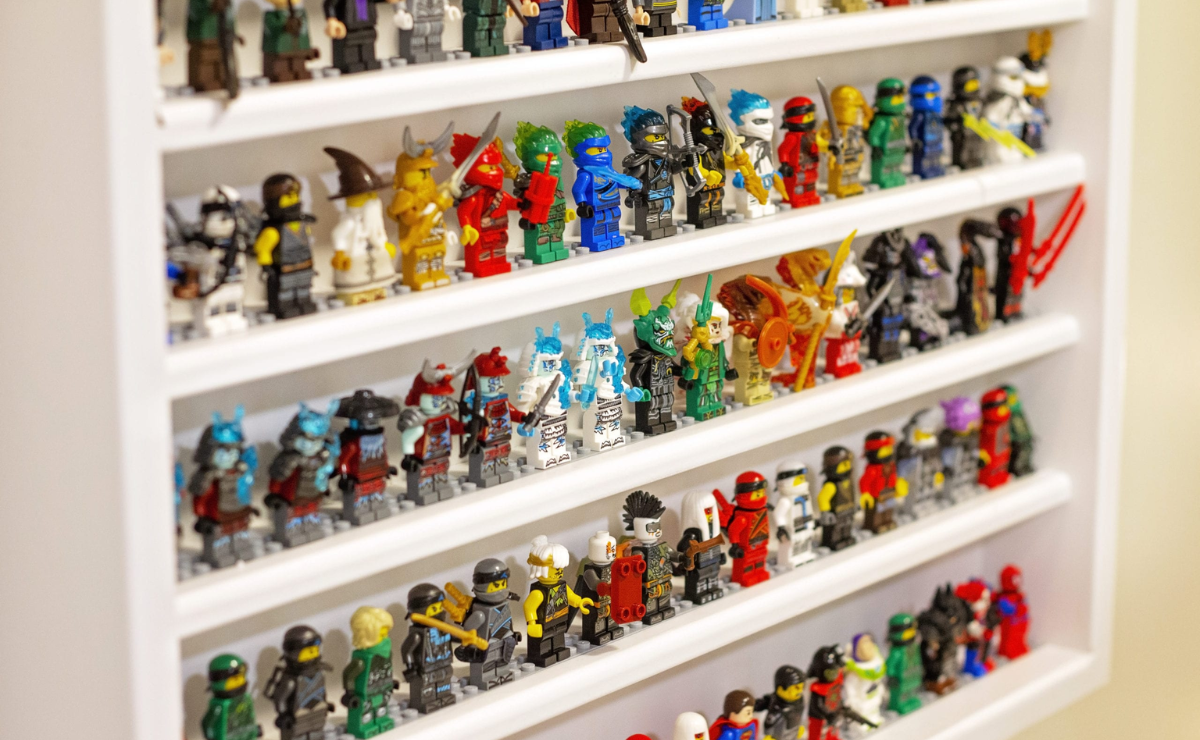
For completed sets or minifigures, shelving units or glass display cases allow you to showcase your collection while keeping it dust-free. Displaying your collection can also inspire creativity and make your LEGO® space more enjoyable.
5. Ziplock Bags and Pouches
If you are short on space, ziplock bags or small pouches can be a temporary solution for organizing sets or loose pieces. Be sure to label each bag clearly and consider using them within larger storage bins for additional protection.
Step 4: Label Everything
Labeling is key to maintaining organization over time. Labels can be physical, such as stickers or tags on drawers, bins, or containers, or digital, such as entries in a spreadsheet or LEGO® inventory app. Include information like:
- Part type or set name
- Color
- Theme or collection
- Quantity (optional)
Consistent labeling ensures that anyone accessing your collection can locate pieces efficiently, and it prevents accidental mixing of categories.
Step 5: Protect Valuable and Rare Pieces
Some LEGO® pieces, particularly rare minifigures or limited-edition sets, require special care to preserve their value. Consider the following:
- Keep valuable items in dust-free display cases or sealed containers
- Store items in a climate-controlled environment to prevent discoloration or warping
- Avoid excessive sunlight exposure, which can fade colors or prints
- For loose parts, consider anti-static bags or padded compartments for delicate elements
Step 6: Create a System for Building Projects
For builders who frequently create custom designs, maintaining an active project system is helpful. Use separate bins, trays, or sorting trays for ongoing builds. Keep instructions, printed parts, and specialized pieces together so you can work efficiently without disrupting your organized collection.
Step 7: Regular Maintenance
Organization is not a one-time task—it requires regular maintenance. Schedule time to:
- Re-sort loose bricks and accessories
- Update your inventory spreadsheet or app
- Check for missing or damaged pieces
- Re-label bins and drawers if necessary
Regular maintenance prevents clutter from building up and ensures your collection remains enjoyable and functional.
Step 8: Use Technology for Inventory Management
Many LEGO® enthusiasts use apps and online tools to track their collection. These tools can help:
- Catalog sets, parts, and minifigures
- Track completed and in-progress builds
- Identify rare pieces or missing elements
- Estimate the value of your collection
Technology can simplify organization and provide valuable insights for both casual and serious collectors.
Step 9: Encourage a Creative Space
Organizing your LEGO® collection is not just about storage—it’s about creating a functional space for creativity. Ensure your LEGO® area has:
- Adequate lighting for building and displaying sets
- Comfortable workspace for sorting and assembling pieces
- Clear access to storage bins and drawers
- Inspiration from completed builds or themed displays
A well-organized space makes building more enjoyable and encourages ongoing creativity.
Conclusion
A well-organized LEGO® collection transforms your building experience from frustrating to fun. By assessing your collection, sorting bricks and minifigures, using effective storage solutions, labeling everything, and protecting valuable pieces, you create an efficient and enjoyable system that enhances both creativity and collection value.
Whether you are a casual fan, a dedicated collector, or a builder creating intricate custom designs, following these steps ensures that your LEGO® collection is manageable, accessible, and inspiring. Regular maintenance, a thoughtfully designed space, and attention to detail will help your collection thrive for years to come.
At Tag Bricks, we provide a wide range of authentic LEGO® sets, rare minifigures, and custom printed parts to support collectors and builders in organizing and expanding their collections. Explore our store today and take your LEGO® organization and creativity to the next level.